Mister Graffiti: Injecting Urban Energy Into Your Digital Canvas
There is a specific kind of energy that comes with street art—the raw, unapologetic vibe that grabs your attention before you even realize what you are looking at. For designers and creators, capturing that authentic urban aesthetic often feels difficult because standard typography usually looks too clean or too corporate. You want that gritty, spray-painted look, but you need it to be professional enough for client work and commercial products. This is where the concept of a modern, high-quality typeface bridges the gap between raw art and digital precision, allowing you to harness the rebellious spirit of the street without compromising on quality.
Beyond Standard Typography: The Power of Color Fonts
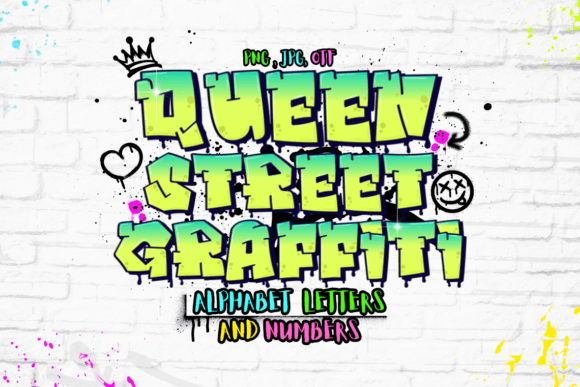
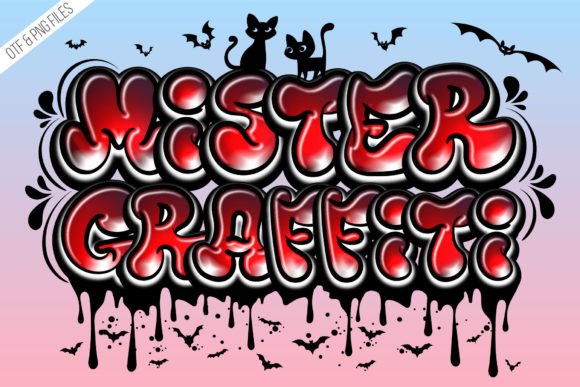
If you have spent any time working in graphic design, you are likely familiar with the limitations of traditional typefaces. Whether you are working with a classic serif font, a clean sans serif font, or a flowing script font, they are generally monochromatic. You type the letter, you change the color, and that is it. To get a realistic spray-paint effect, you usually have to stack layers, apply masks, and use complex blending modes. Mister Graffiti changes the game because it is a color font, specifically built using OpenType-SVG technology.
What this means for your workflow is that the texture, depth, and multiple colors are baked directly into the font file itself. When you type a letter, it appears on your canvas as a fully rendered piece of graffiti art. It retains the high-fidelity details of a raster image but functions like a vector text layer. This allows you to access a premium font style that feels incredibly authentic. It is not just a shape; it is a complex visual asset that brings immediate credibility to any project requiring an edgy, artistic touch.
Practical Applications for Branding and Marketing
One of the biggest challenges in branding is differentiation. If you are launching a streetwear line, a podcast about urban culture, or a music festival, using a standard geometric sans serif might send the wrong message. It might make your brand look generic. Incorporating a display font like Mister Graffiti into your visual identity can instantly signal to your audience what you are about. It sets the tone for your brand identity before they read a single word of your copy.
Consider the versatility of this typeface across different media. It is not just for posters; it is a robust design asset for a variety of applications:
- Social Media Graphics: Instagram Stories and TikTok thumbnails demand attention instantly. The bold, colorful nature of this font ensures your text cuts through the noise of a busy feed.
- Packaging Design: For products like energy drinks, craft beers, or snack foods targeting a younger demographic, this font adds a layer of "cool" that standard packaging design often lacks.
- Merchandise: When designing T-shirts, hoodies, or tote bags, a font that looks like a high-resolution graphic reduces the need for complex illustration. It stands on its own as the focal point of the apparel.
- Event Invitations: If you are hosting a launch party, a block party, or a casual networking event, using a handwritten font with a graffiti style sets a relaxed, energetic mood right from the start.
Compatibility and The Designer’s Workflow
While the aesthetic is wild and free, the technical side of using a color font requires a bit of awareness to ensure a smooth workflow. Because Mister Graffiti utilizes OpenType-SVG technology to achieve its rich, multi-colored look, it behaves slightly differently than a standard TTF or OTF file.
For designers using professional software, the integration is seamless. It is fully compatible with industry standards like Adobe Photoshop and Adobe Illustrator. If you are a crafter or hobbyist, you will be pleased to know it works well with Silhouette Studio and Inkscape. However, it is crucial to note the limitations regarding cutting machines. If you are a Cricut user, this specific color font technology is not compatible with the Cricut Design Space software, as it does not support the rendering of SVG-based color fonts. Always check the software requirements before starting a project to avoid frustration later in the process.
Pairing and Readability
Because this is a highly stylized display font, it carries a lot of visual weight. It is loud, expressive, and detailed. Consequently, it is generally best used for headlines, logos, and short bursts of text rather than long-form body copy. Using it for a full paragraph would likely tire the reader's eyes and reduce readability.
The key to professional presentation is contrast. To make Mister Graffiti pop, you need to pair it with something that recedes into the background. A simple, clean sans-serif font works best for body text. This creates a hierarchy where the graffiti font grabs the attention, and the clean font delivers the information. Think of it as the "shout" versus the "conversation." By balancing the intense energy of the graffiti with the calm neutrality of a modern sans-serif, you maintain legibility while preserving the urban vibe.
Commercial Use and Licensing
For entrepreneurs and small business owners, the value of a creative font lies not just in how it looks, but in how it can be legally used. When investing in design assets, understanding the licensing is just as important as the aesthetic. Most premium font licenses allow for commercial use, meaning you can use the font to create physical products (like t-shirts or mugs) or digital products (like logos or website headers) that you sell for profit.
However, it is always your responsibility to review the specific terms provided by the creator. Ensure that the license covers your intended use case, whether that is for a single client project or for unlimited print-on-demand merchandise. By respecting the licensing, you support the independent designers who create these high-quality tools, allowing them to continue producing unique typography for the community.
Final Thoughts on Creative Execution
Ultimately, a font is a tool, and the success of your project depends on how you wield it. Mister Graffiti